Why Ceramic Is Best for Luxury Home Accents in 2026?

Time:2026-11-24 Author:Liam
0%

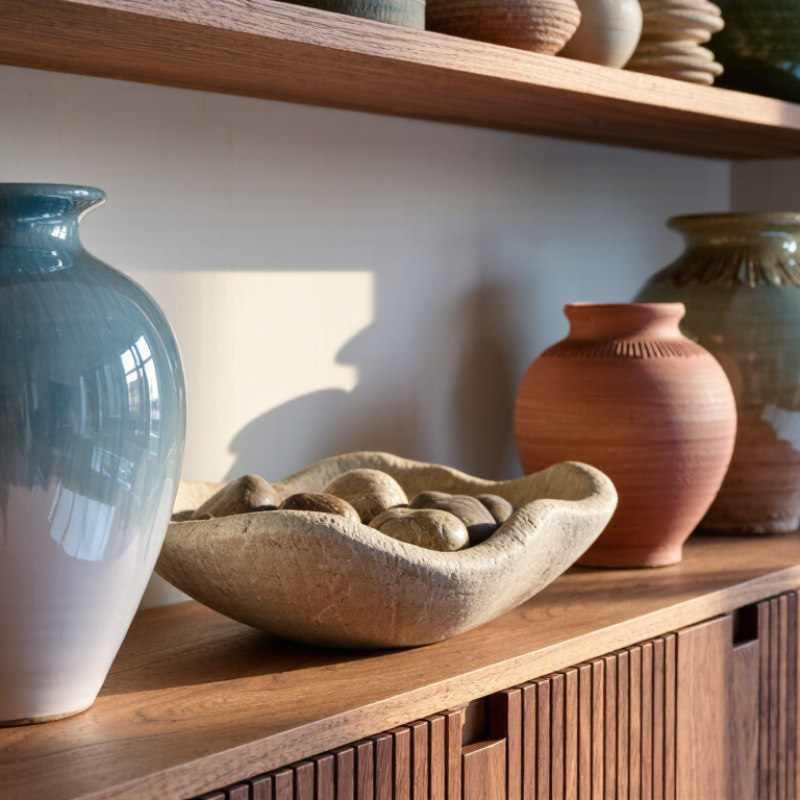
In 2026, luxury home accents are valued not only for appearance, but also for tactility, longevity, and thoughtful making. Ceramic brings these qualities into everyday spaces. A hand-glazed vase can catch afternoon light; a sculptural bowl can add texture to a quiet shelf. The material suits both restrained interiors and rooms with richer colors. Quietly distinctive.

The reasons why ceramic materials are better for luxury home accents include their design versatility, durable fired surfaces, and capacity for individual detail. Porcelain, stoneware, and earthenware each offer different weights, finishes, and levels of refinement. A skilled maker can shape crisp lines, soft curves, or subtle glaze variations. These details give an object character without demanding attention.

Ceramic is not flawless. A piece may chip if dropped, and handmade finishes can vary more than some buyers expect. That variation can be part of its appeal, but it deserves honest consideration. Care, placement, and intended use matter. This guide looks at ceramic accents through those practical details, as well as their visual value, craftsmanship, and fit with contemporary luxury homes. The goal is not to claim every ceramic object is exceptional, but to explain what makes a well-chosen piece feel considered and worth keeping.
Why Ceramic Is Best for Luxury Home Accents in 2026?

Defining Ceramic and Its Role in Luxury Home Accents

Ceramic is an inorganic, non-metallic material shaped and hardened through heat. In home accents, it often begins as clay, then gains strength and character in a kiln. Glazes can create glossy color, soft matte surfaces, or subtle shifts at the edges. Porcelain and stoneware are common ceramic types, but they differ in density, finish, and feel.

That material range gives ceramic a distinctive role in luxury interiors. A hand-thrown vase can catch light unevenly; a small glazed bowl can add color without competing with the room. Texture matters. So does restraint. One sculptural vessel may feel more considered than a crowded shelf, though that is not a rule every room needs to follow.

Craftsmanship is visible in details such as a balanced foot, an even rim, and a glaze that suits the form. Yet irregularity is not automatically a sign of quality. Some pieces feel awkward, and that deserves an honest look. Ceramic can also chip if knocked against stone or metal, so placement and care matter. Choose accents for their proportions, surface, and practical use—not only their price or polished appearance.

Why Ceramic Is Best for Luxury Home Accents in 2026

Defining ceramic and its role in luxury home accents

Ceramic’s sculptural forms, varied textures, and glazed finishes make it a versatile choice for decorative accents. The chart shows water-absorption class boundaries used for ceramic tile—not a luxury rating. Lower absorption can indicate a denser tile body, but an accent’s suitability also depends on its glaze, construction, and intended use.

Source: ANSI A137.1 water-absorption classes; testing method: ASTM C373. Impervious: ≤0.5%; vitreous: >0.5% to ≤3%; semi-vitreous: >3% to ≤7%; non-vitreous: >7%.

Material Properties That Shape Ceramic’s Appeal

Ceramic suits luxury interiors because it combines visual subtlety with practical strength. A fired clay body holds its shape well and can withstand everyday handling. Glazes add depth, from a soft, chalky white to a reflective green. The finish may vary slightly between pieces. That variation can make a handmade vase feel more personal, though it may frustrate anyone seeking a perfectly uniform set. Ceramic also feels cool and substantial in the hand. A small detail.

Tips: Check the base for felt pads before placing a ceramic accent on polished wood. Use a dry, soft cloth to remove dust from textured surfaces. Keep delicate pieces away from narrow shelves and busy walkways.

Material choice affects both appearance and care. Porous, unglazed ceramic can absorb moisture, so it may be better suited to a dry display than a frequently filled vessel. A glossy glaze is easier to wipe clean, but can show fingerprints under bright lighting. For a considered arrangement, pair one tactile piece with quieter materials, such as linen or pale wood. I would not assume every ceramic object is fragile, but thin rims and handles deserve care. Inspect those areas before buying, especially when an accent will be used rather than simply displayed.

Craftsmanship and Design Versatility in Ceramic Decor

Ceramic earns its place in luxury interiors through touch, not just appearance. A hand-thrown vase may show faint wheel lines, while a satin glaze catches the morning light differently from a glossy one. These small variations make each piece feel considered. Ceramic also welcomes experimentation: sculptural silhouettes, restrained colors, and textured surfaces can suit both a quiet stone console and a lively dining table. The finish matters. Uneven glaze can look beautiful, but sometimes it reads as a flaw; craftsmanship depends on control as much as character.

The market context is encouraging, though it is not proof that every ceramic accent will hold value. Grand View Research valued the global home décor market at USD 681.3 billion in 2022 and projected 4.8% annual growth from 2023 to 2030. For buyers, this points to sustained interest in interiors, not a guarantee of quality. Look for stable bases, smooth edges, and clear care guidance. For bespoke pieces, ask how glaze variation and firing affect the final color.

Tips: Pair one tactile ceramic piece with simpler materials, such as linen or oak. Check its weight and balance before placing it on a narrow shelf. Keep the care card; some finishes mark more easily than expected.

Why Ceramic Is Best for Luxury Home Accents in 2026? - Craftsmanship and Design Versatility in Ceramic Decor

Design Dimension Ceramic Characteristics Value for Luxury Home Accents Practical Consideration
Material and finish Ceramics are made from inorganic, nonmetallic materials, commonly clay and mineral mixtures, shaped and hardened by firing. Glazes can create glossy, satin, or matte surfaces. A broad range of tactile finishes and visual effects supports both understated and decorative interiors. Finish, strength, and porosity vary with the clay body, glaze, and firing process.
Craftsmanship Pieces may be wheel-thrown, hand-built, slip-cast, or formed using other production methods. Hand-applied decoration and glazing can introduce individual variations. Visible forming marks, layered glazes, and carefully finished details can give an accent piece a distinctive, crafted character. Handmade items may show small differences in shape, color, or surface; these are not necessarily defects.
Design versatility Ceramic can be formed into vessels, sculptural objects, tiles, lampshades, and decorative hardware, with surfaces ranging from plain to intricately patterned. Its adaptable shapes and finishes can complement contemporary, traditional, and eclectic room schemes. For lighting or other functional uses, check that the finished object is designed and rated for that purpose.
Porcelain Porcelain is a fine ceramic body that is generally fired at high temperatures and can become dense and vitrified. Its refined appearance and potential for thin, precise forms make it suitable for delicate-looking decorative objects. Porcelain is hard but can chip or break if struck or dropped.
Stoneware Stoneware is typically fired until the body is dense and relatively nonporous, though properties differ by formulation and firing. Its substantial feel and range of natural or glazed surfaces work well for vessels and sculptural accents. Weight and resistance to water or staining depend on the body and finish; follow the maker’s care guidance.
Earthenware Earthenware is generally fired at lower temperatures than stoneware or porcelain and is often more porous when unglazed. Its expressive forms and finishes can suit decorative pieces where color and surface character are priorities. Glazing can reduce surface absorption, but not every earthenware piece is suitable for holding water or food.
Durability and care Many ceramic surfaces resist everyday scratching and fading, but ceramic objects remain vulnerable to impact and may crack or chip. With careful placement and handling, well-made ceramic accents can remain in use for many years. Use stable surfaces, avoid knocks, and do not assume a decorative piece is dishwasher-, oven-, or microwave-safe.
Environmental considerations Ceramic products can have long service lives, while clay preparation, firing, glazing, and transport all contribute to environmental impacts. Choosing durable pieces that suit a long-term interior can support continued use rather than frequent replacement. Environmental impact varies by production method, energy source, materials, packaging, and product lifespan.

Selection tip: For a lasting decorative accent, consider the intended use, the piece’s stability, its surface finish, and the care instructions provided with it.

Durability and Care Across Different Ceramic Types

Why Ceramic Is Best for Luxury Home Accents in 2026?

Durability and Care Across Different Ceramic Types

Ceramic accents can look refined without being too delicate for everyday rooms. Their durability depends on the clay, firing temperature, glaze, and construction. Porcelain is usually dense and less absorbent, making it a practical choice for frequently handled vases or trays. Stoneware is sturdy, though its weight can make a large piece awkward to move. Earthenware often has a warm, handmade character, but its porous body may need a protective glaze. Small differences matter.

Tips: Dust with a soft, dry cloth. For glazed pieces, use lukewarm water and mild soap, then dry them fully. Avoid abrasive pads, which can dull the finish. Unglazed ceramic may absorb moisture, so check care instructions before placing it near a sink or using it as a planter. Add felt pads beneath heavy objects to protect shelves and tables.

A glossy surface is not proof that a piece is chip-proof. Check rims, handles, and the base for hairline cracks, especially on older or handmade accents. Lift heavy ceramics with both hands, and avoid sudden temperature changes that can stress the material. One detail is easy to miss: dust can collect in carved grooves, so a soft brush helps. Even careful maintenance cannot prevent every accident.

Why Ceramic Fits Luxury Interiors in 2026

In 2026, luxury interiors are leaning toward materials with texture and lasting presence, not just shine. Ceramic brings both. A hand-glazed vase can catch morning light differently across its curved surface, while a matte bowl adds a quiet contrast to polished stone. These details help a room feel considered without making every object compete for attention. Light matters. Glaze, firing temperature, and clay composition affect color, surface, and durability, so pieces may vary slightly even within the same style. That variation can make an accent feel personal rather than factory-perfect.

Ceramic also suits practical rooms. A glazed tray on a console is easy to wipe clean, and a sturdy vessel can hold branches without looking fragile. Still, ceramic is not flawless: an unglazed surface may absorb stains, and a dropped piece can chip or break. Check care instructions, especially for porous finishes, and choose shapes that suit the way you live. I would not fill every shelf with matching pottery; too much repetition can make a room feel staged. A single sculptural lamp or small group of objects, balanced with wood, linen, or metal, often has more presence. Even then, the balance may need adjusting once the room is lived in.

FAQS

What is ceramic?

Ceramic is a non-metallic material, often shaped from clay and hardened in a kiln. Glaze can add color, shine, or a matte finish.

How do porcelain, stoneware, and earthenware differ?

Porcelain is usually dense and less absorbent. Stoneware is sturdy but can be heavy. Earthenware often has a warm look, though unglazed pieces may absorb moisture.

How can ceramic accents add character to a room?

A hand-thrown vase can catch light unevenly, while a small glazed bowl can add color. One sculptural piece may feel calmer than a crowded shelf.

Are handmade variations always a sign of quality?

No. Small variations can make a piece feel personal, but uneven rims or awkward proportions may simply bother you. Look closely before choosing.

What details should I check before buying a ceramic accent?

Check the rim, handles, and base for hairline cracks. A balanced foot and a finish that suits the shape are useful signs to consider.

Which ceramic type works best for frequent handling?

Dense porcelain is often practical for frequently handled pieces. Stoneware is sturdy, though larger items can be awkward to move. Thin rims still need care.

How should I clean ceramic accents?

Dust with a soft, dry cloth. For glazed pieces, use lukewarm water and mild soap, then dry them fully. A soft brush helps clean carved grooves.

Where should I place ceramic pieces to reduce damage?

Keep delicate pieces away from narrow shelves and busy walkways. Add felt pads beneath heavy objects on polished wood, and lift large pieces with both hands.

Conclusion

Ceramic has become a compelling choice for luxury home accents because it combines natural materials with a wide range of finishes, forms, and colors. Its appeal comes from qualities such as heat resistance, surface variety, and the ability to achieve either a polished or softly textured look. Hand-shaped details and refined glazing can give each piece character, while adaptable designs make ceramic suitable for both contemporary and traditional interiors. These qualities help explain why ceramic materials are better for luxury home accents: they offer visual depth and a sense of craftsmanship without relying on excess ornament.

Ceramic pieces can also provide lasting value when selected and cared for according to their type. Porcelain, stoneware, and earthenware differ in density and durability, so cleaning and handling should match the material and finish. In 2026, ceramic’s balance of enduring style, practical performance, and artistic versatility makes it a thoughtful way to bring warmth and individuality into a luxury home.

Liam

Liam

Liam is a dedicated marketing professional with a profound expertise in the industry, where he excels at highlighting the unique advantages of our core products. With a keen understanding of market trends and consumer needs, Liam frequently updates our company’s professional blog, providing......