When exploring the vibrant world of ceramics, knowing how to spot authentic hand-painted ceramic art is essential. The unique appeal of hand-painted pieces lies in their intricate designs and artistry. Each piece tells a story, reflecting the culture and craftsmanship behind it. Yet, the market is filled with reproductions that imitate this charm, making it crucial to differentiate the real from the fake.
Appreciating genuine ceramic art demands a keen eye and some foundational knowledge. Authentic pieces often showcase varying brush strokes and imperfections, unlike mass-produced items. A closer examination of texture, colors, and signature styles can unveil the authenticity. Consider the age of the piece and its source. Reputation matters, as reputable artists and studios maintain specific aesthetic qualities.
Understanding these elements leads to a more rewarding experience in collecting ceramics. Engaging with artists or experts further enriches your knowledge. As you learn, you may question your assumptions and refine your judgment. Remember, the journey of collecting art is as significant as the pieces themselves.
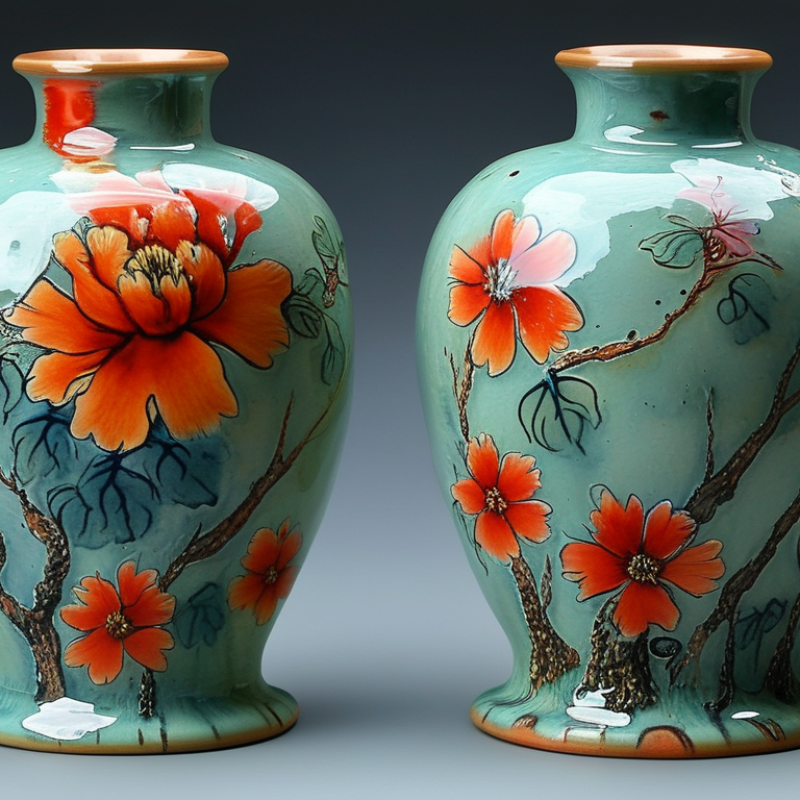
When evaluating authentic hand-painted ceramic art, detailed observation is crucial. Authentic pieces often exhibit unique characteristics that define their craftsmanship. Each brushstroke and color application reveals the artist's individual style. No two pieces are identical. The small imperfections in the glaze or the hand-drawn motifs tell a story. According to a report by the Crafts Council, authentic handmade items can carry a premium of up to 50% compared to mass-produced alternatives.
Color variations are another indicator of authenticity. Real hand-painted ceramics may show slight inconsistencies in color distribution. This is a sign of genuine artistry, not uniformity found in factory-made ceramics. Look for depth in the colors, which indicates layers of paint and glazing techniques. An appraisal by the American Craft Council emphasizes that the depth of color often correlates with the quality of craftsmanship.
Textures are also important. Authentic hand-painted ceramics usually have varying surface textures. This can include raised patterns or uneven finishes resulting from manual application. Such details enhance their tactile appeal. Interestingly, the International Ceramics Association notes that many collectors value the artistry over perfection. They appreciate the unique qualities that arise from the creative process, revealing a deeper connection to the work.
When it comes to hand-painted ceramic art, recognizing signature techniques used by skilled artists is crucial. Distinct brushwork and layering can reveal authenticity. An artist's style often shines through in their approach to color mixing. Each brushstroke carries a story. Observing the flow of paint can help identify the handiwork of a true artisan.
One key tip is to examine the edges of the artwork. Skilled artists often have clean lines and precise contours. Any smudging or unevenness might indicate a reproduction. Look for depth in color application. Authentic pieces often have a rich, textured appearance, while mass-produced items may seem flat or overly uniform.
Don't forget to check for maker's marks. Many artists leave a signature or symbol that adds credibility. Still, not every piece will feature a mark, which can sometimes lead to uncertainty. Ask the seller questions about the artist's background and techniques. Knowledgeable sellers will provide context, enhancing your understanding of the piece’s authenticity. Trust your instincts when assessing quality, but keep in mind that flaws can add character to an artwork.
When examining ceramic art, the quality of glaze and paint is crucial. Authentic hand-painted ceramics often exhibit a depth of color that sets them apart. Look for vibrant hues and subtle variations. These can indicate skilled craftsmanship. A uniform color can suggest a less genuine piece.
The glaze should feel smooth but not overly glossy. High-quality pottery has a balanced sheen that enhances its features. Inspect the edges closely; any roughness can point to inferior craftsmanship. Authentic pieces may also have slight imperfections. These imperfections tell a story of their creation. A perfectly flawless piece may raise questions about its authenticity.
Paint should be well applied, without drips or smudges. Look for brush strokes that show the artist's hand. A lack of detail may signify a mass-produced item. Authentic hand-painted ceramics often feature intricate designs that capture emotion. They might have a slight irregularity, which adds unique character. Trust your instincts; authenticity often lies within the details.
Researching an artist's background is crucial when evaluating hand-painted ceramic art. Delving into their past can reveal a lot about their techniques and inspirations. Many professionals emphasize the importance of knowledge in this area. According to the National Ceramic Society, understanding an artist's training can enhance appreciation for their work. Artists with formal education often demonstrate a mastery of color and form.
Online reviews and testimonials can also shed light on an artist's reputation. A study from Artisan Insights reported that 80% of buyers check reviews before purchasing art. An artist with a strong community presence often cultivates authenticity in their work. However, it’s essential to consider varying sources. Some online platforms may misrepresent artists for commercial gain.
Additionally, attending exhibitions can provide insights into an artist's credibility. Observing their pieces firsthand allows buyers to assess quality. Not all artists will have extensive backgrounds, and that doesn't always mean less quality. Engaging in conversations with artists can reveal their passion and commitment to the craft. Authenticity often shines through in personal stories and experiences shared by the creator.
When assessing hand-painted ceramic art, understanding its provenance and historical context is essential. Authentic pieces often possess a rich narrative connecting them to specific cultures or artisans. According to a recent industry report, artworks with verified provenance can command prices up to 50% higher than those without. This highlights the importance of authenticity and documentation.
Investigating the historical background can reveal the techniques used in the artwork. Many regions have distinct styles that reflect local traditions and materials. For example, the colors and patterns can indicate the geographic origins of a piece. Some ceramics might show signs of wear or inconsistency that suggest a long history of use, which can enhance their value.
Art historians emphasize the significance of sourcing information. While many sellers might provide certificates, verifying these documents is crucial. Claims of rarity should be rigorously evaluated. Collectors might find minor flaws in surface texture or glaze application that suggest a handcrafted nature. These details can sometimes lead to questions, but they often reveal deeper stories tied to the artist’s practice and intent. Understanding these aspects can ultimately inform a collector's perspective on value and authenticity.
| Tip Number | Tip Description | Key Indicators | Historical Context |
|---|---|---|---|
| 1 | Check for Hand-Painted Details | Uneven brush strokes | Traditional artisan methods |
| 2 | Examine the Color Palette | Natural pigments | Historical manufacturing techniques |
| 3 | Look for Signature and Marks | Artist's signature | Provenance verification |
| 4 | Inspect the Base or Foot | Uneven foot for stability | Craftsmanship traditions |
| 5 | Evaluate the Weight and Feel | Heavier than mass-produced items | Materials used historically |
| 6 | Consider the Shape and Design | Unique, non-uniform shapes | Cultural significance of designs |
| 7 | Research the Origin | Country of craftsmanship | Historical trade routes |
| 8 | Seek Expert Opinions | Consultation with art historians | Expertise in the field |
| 9 | Test the Durability | Resistance to chipping | Durability of historical ceramics |
| 10 | Learn About the Artist | Background information | Impact on art movements |
: Look for unique brushwork and layering. Each artist has a distinct style in color mixing.
Check for clean lines and precise contours. Smudges may indicate a reproduction or lack of skill.
Authentic pieces display depth and vibrant colors. Uniform colors may signal mass production.
It should be smooth but not overly glossy. A balanced sheen enhances the piece’s features.
Slight imperfections can show the artistry behind a piece. Flawlessness might raise authenticity questions.
Understanding their past reveals their techniques and inspirations, enhancing appreciation for their work.
Reviews provide insights into an artist's reputation. Many buyers rely on them before making purchases.
Observing pieces firsthand helps assess quality. It also allows for direct engagement with artists.
No, some artists may lack formal training yet still produce high-quality work.
An artist’s passion and experiences can enhance perceived authenticity, adding value to their pieces.
When learning how to spot authentic hand-painted ceramic art, it's essential to understand the unique characteristics that define genuine pieces. Authentic ceramics often showcase the signature techniques employed by skilled artists, such as intricate brushwork and distinctive patterns that reflect the individual style of the creator. Additionally, a close examination of the glaze and paint quality can reveal much about the artwork's authenticity—real hand-painted ceramics typically exhibit a depth and richness in color that mass-produced items lack.
In addition to visual elements, researching the artist's background and reputation plays a crucial role in the authentication process. Understanding the provenance and historical context of the artwork can further enhance your ability to appreciate and verify genuine pieces. By combining these strategies, art enthusiasts and collectors can confidently navigate the world of hand-painted ceramics and make informed decisions about their acquisitions.

Anzi Decor