Shipping fragile ceramic decor presents unique challenges. According to the 2022 Packaging Industry Report, around 30% of items are damaged during transit. This highlights the importance of understanding "what is the best way to ship fragile ceramic decor." Proper techniques minimize risk and ensure your delicate pieces arrive safely.
Ceramics can easily chip or break if not packaged correctly. Professionals recommend using sturdy boxes and protective materials. Bubble wrap, foam peanuts, or crumpled paper can cushion items effectively. Interestingly, 62% of shippers use these materials, yet many still encounter issues. This suggests that not just material choice, but the packaging method is crucial.
Experts advise careful arrangement inside the box. Leave space for movement, as tight packing can lead to stress on the ceramic. Many overlook this detail, resulting in unfortunate breakages. By focusing on these methods, you can decrease damage likelihood. Understanding shipping best practices can make a substantial difference in protecting your ceramic decor.
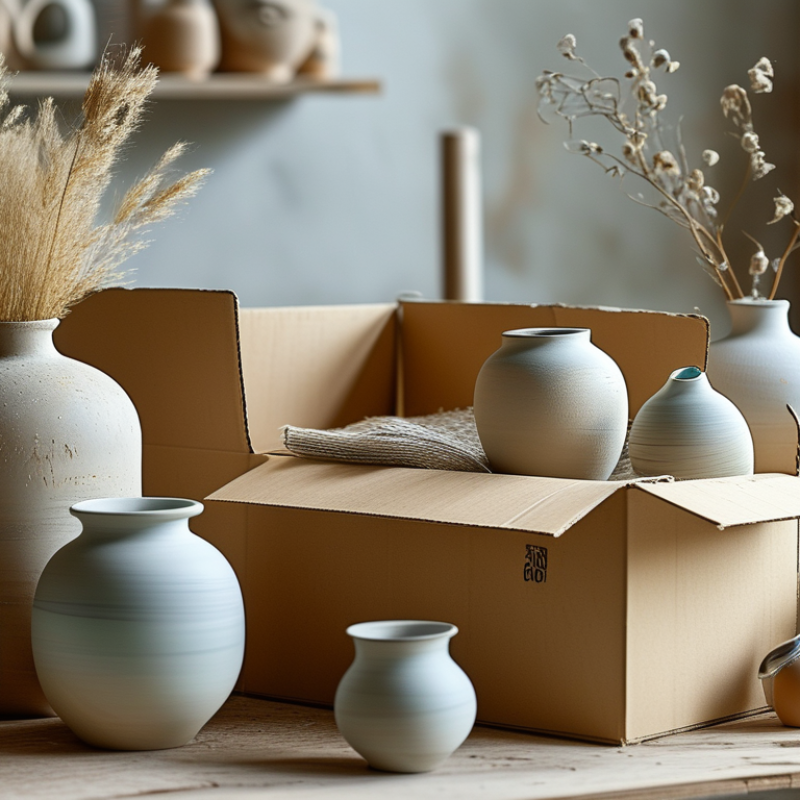
When shipping fragile ceramic decor, selecting appropriate packaging materials is essential. Start with a sturdy box. Ensure it is slightly larger than the item. This allows for additional cushioning. Utilize bubble wrap or foam padding to protect the ceramics from impacts. Wrap each piece individually to provide extra security during transit.
Tips: Use packing peanuts to fill empty spaces. This prevents items from shifting. Double-check the integrity of the box. A damaged box can lead to broken items.
Consider using biodegradable materials for eco-friendliness. Sturdiness is crucial, but sustainability matters too. Try to avoid excessive plastic. Reflect on the balance between protection and environmental impact.
Finally, always label the box as "Fragile." Clear markings help handlers understand the contents better. Packaging may not always be perfect, and wear and tear can happen. It's essential to remain aware of these factors. Adjust your methods based on experiences from previous shipments.
| Packaging Material | Protection Level | Cost Estimate | Recommended Use |
|---|---|---|---|
| Bubble Wrap | High | $0.50 per foot | Ideal for wrapping items |
| Foam Peanuts | Moderate to High | $10 per bag | Filling voids in the box |
| Cardboard Boxes | Low to Moderate | $2-$5 each | Outer box for containment |
| Packing Paper | Moderate | $10 per ream | Wrapping and cushioning |
| Paper Mâché | High | $10 per roll | Custom padded shapes |
When preparing fragile ceramic items for packing, the first step is selecting the right box. A sturdy, corrugated box can provide better protection for delicate pieces. Make sure the box is slightly larger than the item to allow for cushioning. It’s essential to use high-quality packing materials, such as bubble wrap and packing paper. Wrap each ceramic piece individually, ensuring no part is left exposed. This padding absorbs shocks during transit.
Pay close attention to how you position the items in the box. Always place heavier pieces at the bottom and lighter ones on top. Fill any gaps with packing peanuts or crumpled paper to prevent movement. It’s crucial to avoid overcrowding the box. Items should fit snugly without being pressed against each other. If you notice a ceramic piece wobbles, it needs more cushioning.
Lastly, mark the box as “fragile” to alert handlers. Although this is simple, it’s often overlooked. There’s a risk that despite all precautions, pieces may still chip. Double-check your packing method and ensure every item is secure. Take a moment to reflect on the process and consider adjustments for next time. Packing ceramics is an art that improves with practice.
When shipping fragile ceramic decor, proper cushioning is crucial. Research indicates that about 70% of damage occurs during transport. Using effective cushioning materials significantly reduces the likelihood of breakage. Common choices like bubble wrap and foam peanuts provide excellent shock absorption. However, relying solely on one type of material may not be enough for diverse shapes and sizes.
Layering cushioning materials enhances protection. For example, wrap each ceramic piece individually with at least three layers of bubble wrap. Surround it with foam or crumpled paper within the box. This adds extra support and prevents movement. According to industry studies, packages with layered cushioning show a 50% decrease in damage rates.
Additionally, consider the box itself. Using double-walled boxes can offer more stability. Ensure there is at least two inches of space between the decor and the box walls. This extra space allows for additional cushioning. Remember, the right combination of materials makes a significant difference. Investing time in packaging is worthwhile to safeguard your fragile items.
When shipping fragile ceramic decor, proper labeling and handling are crucial. Fragile items should be clearly marked. This is to ensure awareness among handlers. According to the National Institute of Standards and Technology, improper handling accounts for over 30% of shipment damage. Effective labeling can significantly reduce these statistics. Use bold, eye-catching labels to denote “Fragile” and “Handle with Care.” This small step can create a safer shipping experience.
The way packages are handled matters deeply. A study revealed that items marked as fragile are 50% more likely to be handled with care when clearly labeled. However, not all labels are created equal. Simple designs can sometimes be overlooked. Consider using bright colors or symbols that catch attention. Clear instructions can also be beneficial. For instance, include handling instructions directly on the package, urging handlers to avoid stacking.
Furthermore, keep in mind that fragile items often require specific handling techniques. Proper cushioning is essential. While bubble wrap is common, research indicates that using foam inserts can add extra protection. Questions can arise about the best materials to use. Innovative biodegradable packing materials are emerging, but they may not provide the same protection as traditional options. Shipping fragile ceramics is an ongoing challenge that needs constant reflection and improvement. The goal is to deliver items in perfect condition. Each shipment offers a chance to enhance our approach.
This chart illustrates the effectiveness of various packaging methods for shipping fragile ceramic decor based on a survey of shipping professionals.
When shipping delicate ceramic decor, choosing a reliable shipping service is crucial. According to a 2022 study by the International Association of Movers, 20% of fragile items suffer damage during transit. Selecting the right carrier can significantly minimize this risk. Look for services that specialize in fragile or high-value items. These providers often have better handling procedures and trained staff.
Tips: Always check reviews and ask for referrals. A service visible in the community often reflects reliability.
Packaging is another factor to consider. Use strong, double-walled boxes and adequate cushioning. Foam peanuts, bubble wrap, and paper are essential to protect ceramics. Some shipping companies provide packing materials designed for fragile items. This can be an added assurance.
Tips: Never skimp on packaging. A few extra dollars can prevent costly damage.
Understanding the insurance options offered by shipping services adds to your peace of mind. While standard coverage may seem adequate, it often doesn’t cover full value. This gap could lead to losses, impacting your finances significantly.
Tips: Always confirm your coverage before shipping. It's better to be safe than sorry.
: Use a sturdy, corrugated box that is slightly larger than the item for better protection.
Wrap each item individually with high-quality materials like bubble wrap and packing paper.
Always place heavier pieces at the bottom and lighter ones on top for balance.
Use packing peanuts or crumpled paper to fill gaps and prevent movement during transit.
Clearly mark the box as "Fragile" using bold, eye-catching labels for better handling.
Overcrowding can cause items to press against each other, leading to damage; ensure snug fit.
If it wobbles, it needs more cushioning to prevent potential damage during shipping.
Yes, include clear handling instructions on the package, urging handlers to avoid stacking.
Ensuring that every item is packed securely and arrives in perfect condition is an ongoing challenge.
Reflect on each shipment's process and consider adjustments to enhance protection for fragile items.
Shipping fragile ceramic decor can be a delicate task, and understanding what is the best way to ship fragile ceramic decor involves several key steps. First, selecting suitable packaging materials is essential. Use bubble wrap, foam peanuts, or custom-fit inserts to ensure that items remain secure during transit. Properly preparing ceramic items includes cleaning them and wrapping individual pieces to prevent scratching and breaking.
Additionally, cushioning techniques should be employed to fill gaps in boxes, minimizing movement. Don’t forget to include clear labeling and handling instructions, indicating that the contents are fragile. Finally, choosing reliable shipping services that prioritize careful handling can significantly reduce the risk of damage. By following these guidelines, you can enhance the safety of your fragile ceramic decor while in transit.

Anzi Decor