How to Mix and Match Different Ceramic Textures for Stunning Designs?

Time:2026-05-05 Author:Henry
0%

Creating stunning designs with ceramics requires an understanding of texture. This explores how to mix and match different ceramic textures to achieve striking visual effects. Each texture holds unique characteristics that can elevate your designs, yet the balance is crucial.

When you combine shiny glazes with matte finishes, the interplay creates depth. It can be challenging, though. Choosing contrasting textures might lead to overwhelming designs if not done carefully. Pay attention to how each texture interacts with light and color.

Experimentation is key in this artistic journey. Consider the weight and size of each piece. Reflect on how they resonate with each other. The art of mixing and matching textures lies in the details. Strive for harmony, yet embrace the imperfections that add character. Ultimately, through practice, you will discover your unique style in how to mix and match different ceramic textures.
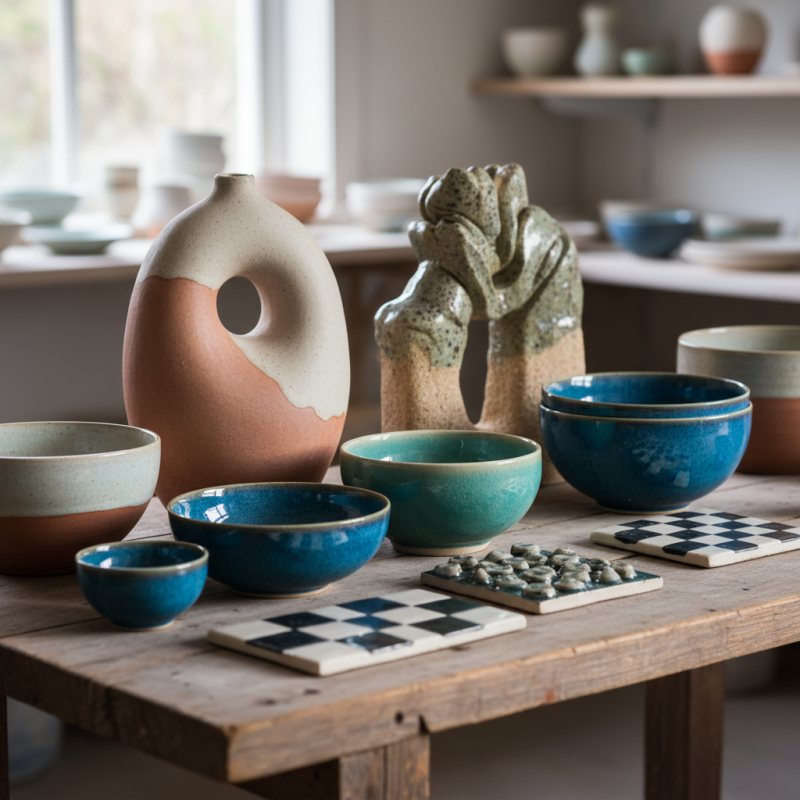
How to Mix and Match Different Ceramic Textures for Stunning Designs?

Understanding the Basics of Ceramic Textures and Their Unique Qualities

Ceramic textures add depth and character to any design. Each texture brings its own unique feel. Understanding these textures is crucial for effective mixing. Rough surfaces, for example, create a rustic look. They often evoke warmth and a sense of history. On the other hand, smooth finishes offer a sleek and modern aesthetic. These contrasting qualities can enhance the visual impact of your designs.

When combining textures, think about proportion and balance. A predominantly smooth design can benefit from the occasional rough piece. This creates visual interest. Experimenting with layering can reveal unexpected beauty. Yet, mixing too many textures can lead to chaos. It’s essential to maintain a cohesive theme. Reflect on your design’s intention before making bold choices.

Color plays a significant role too. A muted palette allows textures to shine without overwhelming the viewer. Consider the environment where your ceramics will reside. Lighting can dramatically alter how textures are perceived. What looks appealing in one setting may fall flat in another. Balance and thoughtfulness in your approach to textures will ultimately lead to stunning design results.

Exploring Color Theory in Ceramic Texture Combinations

When mixing ceramic textures, color theory plays a crucial role. Combining contrasting textures can enhance visual interest. A smooth finish next to a rough surface creates a dynamic effect. Research shows that textured surfaces can increase perception of depth in designs by up to 30%. This means that careful selection of textures matters.

Different colors evoke specific emotions. Warm tones like red and orange can energize a space. Cool tones such as blue and green often promote tranquility. Notably, materials like gloss glaze can amplify color brightness. However, overusing shiny textures can be overwhelming. Striking a balance is essential.

Experimenting with samples helps to visualize combinations better. Using a limited color palette alongside varied textures can lead to striking results. Some designers recommend testing multiple textures against neutral backgrounds. This practice can reveal surprising contrasts. Users sometimes encounter challenges when layering different textures. Observing how light interacts with these layers is crucial. For many, achieving this harmony takes time and practice, yet the outcome can be truly rewarding.

Techniques for Layering Different Ceramic Textures in Design

Mixing different ceramic textures can elevate your design work. It's more than just combining materials; it's about creating a dialogue between surfaces. Start with a foundational piece. A smooth white ceramic bowl can be juxtaposed with a rough, speckled vase. This contrast draws the eye and encourages curiosity.

Layering textures requires thoughtfully chosen elements. Consider matte versus glossy finishes. A matte plate can serve as a backdrop, highlighting glossy ceramic sculptures. Pay attention to color as well. A muted palette may make rough textures stand out. Alternatively, bold colors can unify various textures. Experimentation is crucial. Not every combination will work. Reflect on what feels balanced.

Embrace imperfections in your designs. A chipped edge on one piece can add character. Each imperfection tells a story. Explore how natural variations in the clay affect texture. Sometimes, a rough surface might not sit well next to a smooth one. Listen to what your materials suggest. This dialogue between textures is where true creativity lies.

Creating Balance and Harmony with Contrasting Ceramic Textures

Mixing and matching different ceramic textures can create a harmonious yet eclectic design. The key is to understand the balance between contrasting surfaces. According to a report by the American Institute of Architects, the demand for diverse textures in interior design has risen by 30% over the last two years. This trend reflects a desire for unique spaces that convey personality.

Ceramics offer various textures like matte, glossy, and rough. Each brings a different energy to a room. For instance, pairing a glossy ceramic tile with a rough, unglazed surface can create visual depth. The contrast enhances the beauty of each texture. Balancing these elements requires careful consideration.

It’s important to consider the scale of the textures. Large, rough textures can overpower smaller, shiny surfaces if not balanced properly. A rushed mix can lead to chaotic environments. Design should evoke feelings of comfort, not confusion. Architects recommend experimenting on a small scale before finalizing choices. This approach allows for reflection and adjustment. Sometimes, imperfections in texture lead to the most striking results.

Tips for Finishing Touches to Enhance Mixed Ceramic Designs

Mixing different ceramic textures can create eye-catching designs. However, the finishing touches are crucial for achieving that wow factor. When combining ceramics, it’s essential to consider how different textures can play off one another. A recent industry report from the Ceramic Society indicates that textured ceramics can enhance sensory experiences and evoke emotions, making them desirable in home décor.

To enhance your mixed ceramic design, focus on the contrast. Glossy finishes paired with matte surfaces create visual tension. Use complementary colors to ensure harmony. Remember, imperfections can add character. Subtle variations in texture may sometimes clash, which might not always work. Be ready to adjust your pieces accordingly.

Consider these tips: Incorporate natural elements like wood or stone to provide grounding. Experiment with different height levels among the pieces to create dynamic arrangements. Lastly, let the ceramics breathe; avoid overcrowding displays. A well-placed ceramic piece can draw attention and enhance the overall aesthetic.

FAQS

: What are ceramic textures?

: Ceramic textures add depth and character to designs. Each type offers a unique feel.

How do rough and smooth textures differ?

Rough surfaces create a rustic feel, while smooth finishes present a sleek, modern aesthetic.

What should I consider when mixing textures?

Pay attention to proportion and balance. Too many textures can cause visual chaos.

How does color affect ceramic designs?

A muted palette allows textures to shine. Bright colors can unify different textures.

What is the importance of layering textures?

Layering textures creates a dialogue between surfaces. It draws the eye and creates interest.

How should I approach imperfections in ceramics?

Embrace imperfections. They add character and tell a story about the piece's history.

What finishing touches enhance mixed ceramic designs?

Consider contrast, color harmony, and height variation. These elements boost visual appeal.

How can I avoid overcrowding in displays?

Give ceramics space to breathe. A well-placed piece enhances the overall aesthetic.

What should I reflect on before making bold design choices?

Consider your design's intention. Think about whether bold mixes align with your theme.

Can textures influence sensory experiences?

Yes, textured ceramics can evoke emotions and enhance sensory experiences in home décor.

Conclusion

The article "How to Mix and Match Different Ceramic Textures for Stunning Designs" provides a comprehensive guide on effectively combining various ceramic textures to create visually appealing designs. It begins by explaining the basics of ceramic textures, highlighting their unique qualities and how they can influence design aesthetics. Understanding color theory is crucial when selecting texture combinations, as it can significantly enhance the overall look of your work.

Furthermore, the article discusses techniques for layering different ceramic textures, allowing designers to achieve depth and interest. Creating balance and harmony is essential when working with contrasting textures. The final section offers practical tips for finishing touches that can elevate mixed ceramic designs. Overall, this guide serves as a valuable resource for anyone interested in learning how to mix and match different ceramic textures to achieve stunning results.

Henry

Henry

Henry is a dedicated marketing professional with a profound expertise in the company's offerings. With years of experience in the industry, he possesses an impressive understanding of the market dynamics and consumer behaviors that drive success. Henry is committed to sharing his insights through......