Ceramic decor can look sturdy on a shelf, yet a thin handle or glazed edge may crack after one sharp impact. Shipping safely begins with understanding the item: note its weight, shape, weak points, and any loose parts. A small ceramic bird, for example, needs different protection around its beak than a smooth, rounded vase. Details matter.
So, what is the best way to ship fragile ceramic decor? This guide explains how to prepare each piece, wrap it without pressure points, and choose a box that leaves room for cushioning. It also covers double-boxing, filling empty spaces, and checking that the item cannot shift when the parcel is gently moved. No special equipment is always necessary. Careful testing helps.
Packing materials should cushion the ceramic, not merely make the parcel feel full. Clean paper, suitable foam, and sturdy boxes can help, but the right choice depends on the object and journey. Keep detachable pieces separate, protect protruding edges, and avoid letting the item touch the box walls. A label can offer a reminder, but it cannot replace sound packing.
Even a well-packed parcel can face rough handling, and no method removes every risk. Carrier requirements and insurance options can also differ, so check them before sending valuable pieces. One small mistake is easy to miss: a loose void near the base. The steps ahead show what to inspect, while leaving room for judgment when each ceramic piece is different.
Assess the Ceramic Decor’s Shape, Condition, and Fragile Points
Before choosing packing materials, examine the ceramic piece from every angle. Note its height, width, weight, and center of gravity. A tall vase may tip easily, while a shallow bowl can crack if pressure lands on its rim. Look closely at handles, spouts, thin feet, and decorative extensions. Small details matter. Check the surface under bright light for hairline cracks, loose parts, chips, or previous repairs. A quick visual check can miss damage hidden beneath dust or a glossy glaze.
Record existing flaws and take clear photographs before wrapping. This helps distinguish old damage from damage during transit. Avoid pressing or flexing fragile areas to test their strength. Instead, consider how the object could shift inside a box. Uneven shapes need support in more than one place, but padding should not push against delicate edges. I sometimes find that an apparently sturdy base is less reliable than it looks, so leave room to reassess your plan.
Tips: Wrap handles and spouts separately with soft cushioning. Keep pressure away from rims and raised details. Fill gaps so the piece cannot slide, then gently tilt the closed box to check for movement. If you hear anything shift, reopen it. Don’t guess.
A sturdy box is the first layer of protection for ceramic decor. Choose a corrugated carton with no crushed corners, soft spots, or old tape seams. Measure the piece before selecting a box. Leave about two inches of space on every side for cushioning. Too much room lets the item gain momentum; too little can press padding against handles or delicate edges. I have learned that a box can look strong and still flex at a corner. Check it with a firm hand before packing. Small detail matters.
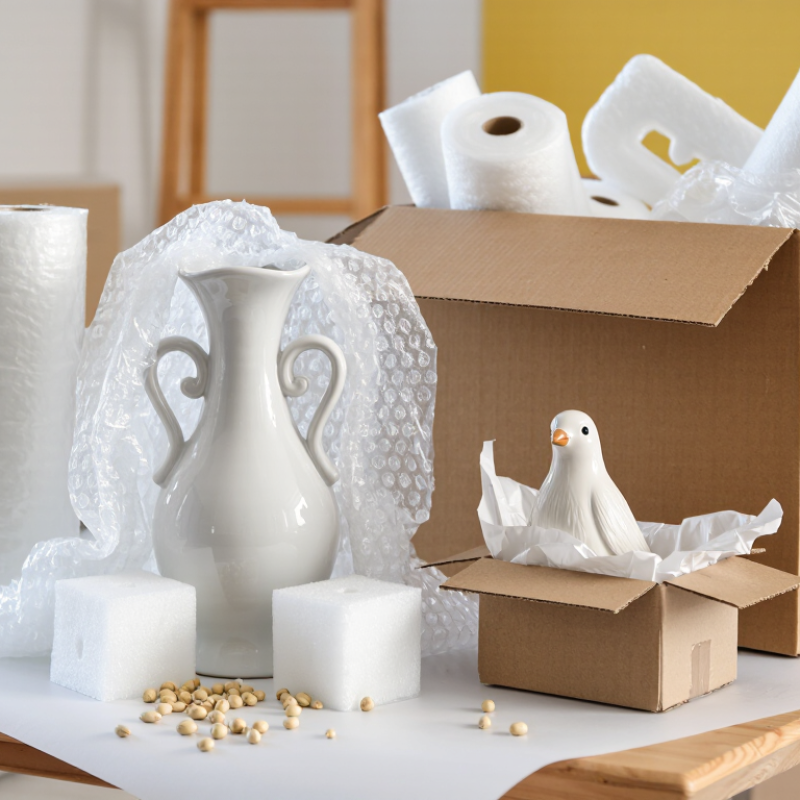
Gather bubble wrap, clean packing paper, foam sheets, and strong packing tape. Wrap each ceramic piece separately, covering rims, handles, and raised details with extra padding. Place a soft layer across the box bottom, then center the wrapped item inside. Fill every open space with crumpled paper or foam so nothing shifts when the box is gently tilted. Do not force padding into tight gaps; pressure can cause cracks. A light shake test can reveal movement, though it is not foolproof. Recheck the corners and seams before sealing. I sometimes underestimate how much cushioning a small vase needs, so it is worth pausing and adjusting the fit.
Ceramic decor often breaks at its weakest point: a handle, finial, or thin rim. Wrap the piece in several layers of clean tissue or soft paper, then add bubble cushioning around the outside. Keep the padding snug, not tight; pressure can crack a delicate edge. Fill hollow spaces, such as a vase opening, with lightly crumpled paper. Remove detachable lids, feet, or ornaments when possible. Wrap each part separately, and label its matching position so it can be reattached without guesswork.
ISTA’s 3A parcel-testing procedure evaluates packages using drops, vibration, and compression—stresses that can loosen poorly secured parts during transit. That makes immobilization as important as cushioning. Place the wrapped ceramic in a sturdy box with cushioning beneath and around it; it should not shift when gently shaken. Pack removable pieces in separate, padded compartments, not loose beside the main item. The National Retail Federation and Appriss Retail estimated that U.S. retailers would face $743 billion in returns in 2023, or 14.5% of sales. That figure covers returns broadly, not breakage alone, but it shows why careful packing matters. I sometimes over-pad the first attempt. It looks reassuring, yet too much force against a curved surface can be a problem. Test the fit gently, then adjust.
Ceramic decor can crack when it shifts just a few centimeters inside a carton. The goal is firm support, not pressure on delicate edges. Wrap the piece separately, then place it in a sturdy box with cushioning beneath, around, and above it. Keep handles, rims, and narrow protrusions from touching the box walls. No rattling. If you hear movement when gently tilting the closed carton, add cushioning and check again.
Pitney Bowes’ 2023 Parcel Shipping Index estimated that 161 billion parcels moved worldwide in 2022. That scale makes secure packing essential, though it does not predict the handling of any single shipment. ISTA Procedure 3A includes drop and vibration tests for packaged products in parcel delivery. At home, use those hazards as a practical reminder: fill empty spaces with crumpled paper, foam, or suitable air cushions, and test the packed box with a gentle shake. A second box with a cushioning layer between cartons can add protection for especially delicate pieces. Avoid packing material so tight that it presses on a ceramic rim. One weak point is easy to miss: a small gap beside a handle can let the piece build momentum during transit. Check every side before sealing.
Ceramic decor can crack from a small shift inside a box. Wrap each piece separately with clean cushioning material, then fill the hollow spaces so nothing rattles when the carton is gently moved. Keep handles and delicate edges from pressing against the walls. For a nested set, cushion every piece between layers.
Seal the package well. Use strong packing tape across the center seam and along both edge seams; a single strip may lift during a long trip. Place the item in a snug inner box, then cushion that box inside a larger carton if the piece is especially delicate. Add a clear “Fragile” label and upright arrows on several sides. Labels help communicate, but they cannot replace solid packing. That part is easy to forget.
Choose a shipping service based on the parcel’s size, value, and journey. Compare delivery estimates, tracking availability, and the carrier’s options for declared value or extra care. A shorter route may reduce handling, but it does not guarantee gentler treatment. Check the packed carton’s weight and dimensions before booking; inaccurate measurements can cause delays or extra charges. If the item has unusual shapes or thin protrusions, test the packing by lightly rocking the sealed box. Any movement means it needs more cushioning.
Cover it with several layers of clean tissue or soft paper. Add bubble cushioning around the outside. Keep the padding snug, not tight.
Remove detachable lids, feet, and ornaments when possible. Wrap each part separately and note where it belongs. Guesswork is avoidable.
Loosely fill openings, such as a vase mouth, with crumpled paper. Do not pack the paper tightly against thin edges.
Add cushioning beneath and around the wrapped item. Gently shake the box. If anything moves, adjust the packing.
Wrap each piece on its own. Cushion between nested items, and place small parts in separate padded compartments. No loose pieces.
Use strong tape across the center seam and both edge seams. Add “Fragile” and upright-arrow labels on several sides. Labels are not enough.
For especially delicate pieces, place a snug inner box inside a larger carton. Cushion all sides between the boxes.
Compare delivery estimates, tracking, and available extra-care options. Check the packed box’s weight and dimensions. I sometimes over-pad; a gentle fit check helps prevent pressure on curved surfaces.
Shipping fragile ceramic decor safely starts with inspecting the piece. Note its shape, current condition, delicate edges, handles, and other areas that could break easily. Choose a sturdy box with enough room for protective materials, then gather cushioning such as packing paper, foam, or bubble wrap. Wrap the decor completely, adding extra protection to fragile points, and secure any removable parts separately so they cannot knock against the main piece.
Place the wrapped item in the center of the box and fill every gap with cushioning to prevent movement. If the box contains multiple pieces, keep them separated and protected from contact. Close and seal the package securely, add clear fragile-handling labels, and select a shipping service with tracking and suitable handling options. If you are wondering what is the best way to ship fragile ceramic decor, the key is to prevent both impact and shifting with careful wrapping, a strong box, and snug cushioning.

Anzi Decor