In the world of ceramics and decor, the choice between glossy and crackle glazes can greatly influence the aesthetic of a piece. According to renowned ceramic artist Julia M. Stevens, “Glossy glazes shine with vibrancy, while crackle glazes carry a story of timeless beauty.” Her expertise highlights the essential discussion around what are the differences between glossy and crackle glaze decor.
Glossy glazes offer a smooth, reflective surface that enhances colors and patterns. They capture light, making colors appear more dynamic. This type of glaze is often preferred for modern, sleek designs. On the other hand, crackle glazes present a distinctive texture with fine cracks that reveal depth and character. This effect mimics antique finishes, evoking nostalgia.
Choosing between these two styles is not merely a matter of preference; it reflects personal taste and the intended ambiance of the space. Potential pitfalls exist when selecting glazes. Overuse of glossy finishes can lead to an overly sterile environment, while excessive crackle effects may overwhelm simpler designs. Thus, understanding what are the differences between glossy and crackle glaze decor is crucial for any designer or enthusiast.
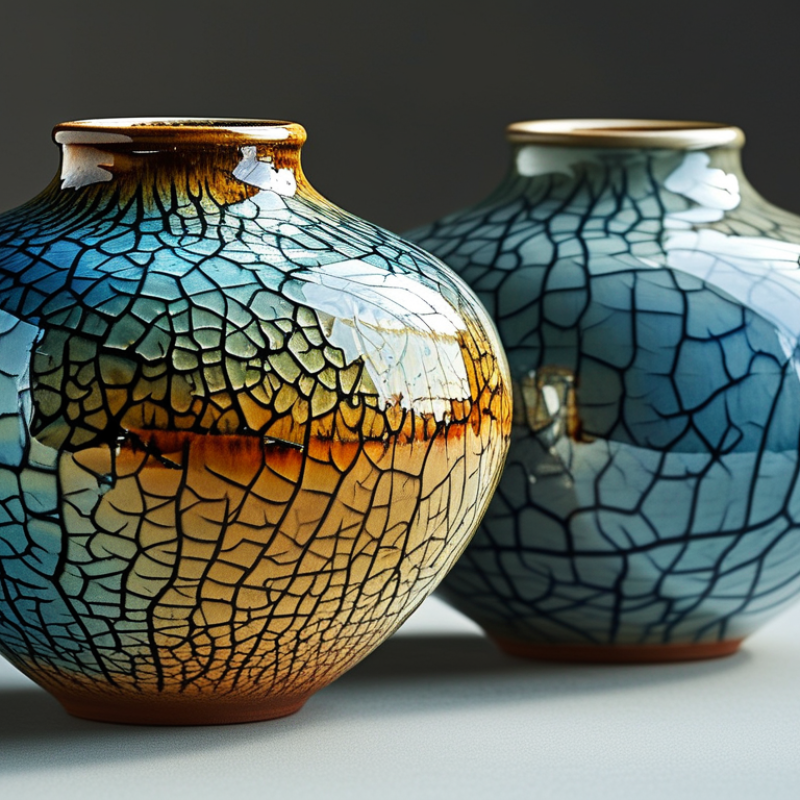
Differences in Surface Appearance: Glossy vs. Crackle Glaze
When considering ceramic finishes, glossy and crackle glazes present notable differences in surface appearance. Glossy glazes provide a high shine, reflecting light beautifully. They create a smooth surface that feels slick to the touch. This finish can enhance colors, giving them vibrancy. However, glossy finishes can also reveal imperfections easily, like fingerprints or dust.
In contrast, crackle glazes possess a unique charm. They feature tiny fissures that form during the firing process, creating a textured surface. This gives each piece a distinct look, often evoking a sense of age and character. The cracks may be enhanced with color washes, adding to their appeal. While crackle surfaces can be captivating, they may also be less durable. The tiny fissures can trap dirt and moisture, requiring more careful handling.
Choosing between these two glazes often depends on the desired aesthetic. Glossy finishes offer a modern and sleek vibe, while crackle glazes bring warmth and nostalgia. Both options come with their strengths and challenges. It’s important to consider maintenance and the intended display of the items. Each surface tells a unique story, worthy of reflection and appreciation.
Differences in Surface Appearance: Glossy vs. Crackle Glaze
This chart illustrates the differences in surface glossiness between glossy and crackle glaze decor. Glossy glaze has a higher glossiness level, while crackle glaze offers a more textured appearance with lower glossiness.
Durability and Maintenance: How Each Glaze Type Holds Up Over Time
When choosing between glossy and crackle glaze decor, understanding durability is key.
Glossy glazes offer a sleek and shiny finish.
They are smooth, which makes them easy to clean. However, over time, they may show scratches more easily.
This can detract from the overall appearance.
Crackle glazes, on the other hand, have a textured, aged look that can be charming.
However, their maintenance can be tricky. The cracks may collect dirt and grime, making cleaning essential but more challenging.
This uneven surface may require extra effort to keep it looking its best.
Both types of glaze can chip or fade with regular use. Glossy glazes may hold their color longer but can become dull.
Crackle glazes, while unique, risk losing their character if not maintained.
Recognizing these differences helps in making an informed choice.
The right glaze depends on your personal style and willingness to invest time in upkeep.
Impact of Glaze on Color Vibrancy in Decor Items
Glossy and crackle glazes create distinctive visual effects in decor items. The choice of glaze can greatly impact the vibrancy of colors.
Glossy glazes enhance color saturation, making hues appear more vivid. They reflect light, which adds depth to the decoration.
On the other hand, crackle glazes offer a textured finish that can create a softer, muted look. This texture might diminish color brightness, but it adds an element of interest.
When selecting a glaze, consider the atmosphere you wish to create.
Glossy finishes are ideal for modern and sleek environments. They contribute to a polished look that catches the eye.
Crackle glazes, however, can evoke an earthy or vintage feel. The intricacies of the crackled surface can lead to unexpected color variations, which can be beautiful yet unpredictable.
Tips for choosing the right glaze: look at how light interacts with the surface. Test samples in different lighting conditions to see the true vibrancy.
Remember, not every piece needs to be brightly colored. Sometimes, the subtlety of a crackled finish can offer a unique charm that stands out in your decor.
Don't be afraid to experiment, as this may lead to surprising results that you didn't anticipate.
Applications and Uses: Where to Use Glossy vs. Crackle Finishes
When considering glossy versus crackle finishes, their applications vary widely. Glossy glaze offers a reflective surface that enhances colors and makes them appear vibrant. This finish is ideal for functional pieces, such as dishes and vases. Its sleek surface is easy to clean, making it practical for everyday use. In spaces where light is limited, glossy finishes can brighten the environment. Picture a sunny kitchen adorned with glossy plates that catch the sunlight, creating a warm and inviting atmosphere.
Crackle glaze, in contrast, is more about texture and character. This finish features a pattern of tiny cracks that add depth and interest. It is often used in decorative items, like wall art and pottery. Crackle can evoke a rustic feel, perfect for farmhouse or vintage designs. However, it might not be suitable for functional items since the cracks can trap dirt and moisture. An antique piece with a crackle finish can spark conversation, though it may require more careful cleaning over time.
Both finishes have their unique charm. Glossy shines brightly but can sometimes appear over-polished, lacking the warmth of natural materials. Crackle adds vintage appeal but may feel worn or imperfect. Choosing between them often depends on personal aesthetic and intended use. Balancing these qualities can create a harmonious design that reflects individual style and preference.
Cultural Significance and Historical Context of Each Glaze Style
The cultural significance of glossy and crackle glaze decor is rooted in their distinct historical contexts. Glossy glazes emerged during ancient times, particularly in Chinese pottery. These glazes reflect light beautifully, enhancing the vibrancy of colors. They were often used in ceremonial pieces. The shiny finish symbolizes clarity and purity, making it a favored choice in religious artifacts.
On the other hand, crackle glazes have a rich narrative. Originating in the Ming dynasty, they were used to create visual stories on ceramics. The intentional cracks form unique patterns, suggesting age and authenticity. This texture embodies a sense of history, connecting the viewer to the past. Some artisans embraced the imperfections of crackle glazes, viewing them as a celebration of time’s passage. They remind us that beauty can be found in flaws.
Both glazing techniques offer a glimpse into cultural values. Glossy glazes emphasize perfection and elegance, while crackle glazes highlight the beauty of aging and uniqueness. Collectors and enthusiasts appreciate these differences, often reflecting on their personal connections to the art. Each piece invites contemplation about the socio-cultural narratives that shaped them.
What are the Differences Between Glossy and Crackle Glaze Decor?
| Aspect |
Glossy Glaze |
Crackle Glaze |
| Finish |
Smooth and reflective |
Textured with visible cracks |
| Visual Appeal |
Bright and vibrant colors |
Aged and antique appearance |
| Durability |
Highly durable and stain-resistant |
More susceptible to wear in cracks |
| Cultural Significance |
Popular in modern decor |
Represents historical and rustic styles |
| Application |
Used in contemporary ceramics and tiles |
Common in vintage and artisan pottery |
| Technique |
Achieved through a smooth firing process |
Created by controlled cooling during firing |
FAQS
: Glossy glazes enhance color saturation, making hues appear more vivid and reflective.
Crackle glazes create a textured finish that offers a softer, muted look, reducing brightness.
Glossy finishes foster a modern and sleek environment, providing a polished appearance.
Crackle glazes suggest an earthy or vintage vibe, adding depth and character.
Testing reveals how light interacts with the surface, showcasing true color vibrancy.
Not necessarily. Subtle crackled finishes can add unique charm to your decor style.
Glossy glazes date back to ancient times, especially in Chinese pottery, symbolizing clarity.
Crackle glazes connect viewers to history, emphasizing aging and the beauty of imperfections.
Different glazes reflect personal connections and cultural values, inviting deeper reflection.
Recognizing beauty in flaws, as seen in crackle glazes, can lead to unexpected admiration.
Conclusion
In exploring the question of "what are the differences between glossy and crackle glaze decor," it's essential to consider several aspects, including surface appearance, durability, and applications. Glossy glazes offer a smooth, reflective finish that enhances color vibrancy and is easier to maintain, making them suitable for items that require a sleek look. In contrast, crackle glazes exhibit a more textured surface with fine cracks, which adds character and depth to the decor but may require more attention in maintenance due to their porous nature.
Moreover, the choices between these glazes extend to their cultural significance and historical contexts, with each finish representing different artistic traditions and preferences in various decor settings. Understanding these distinctions can help individuals effectively utilize glossy and crackle glazes in their design choices, enhancing the aesthetic appeal of their spaces.

 Anzi Decor