In a world saturated with mass-produced items, handcrafted ceramic decor stands out. This unique artisan craft introduces a personal touch to any space. Each piece tells a story of creativity, skill, and tradition. When evaluating home decor, it's essential to consider why handcrafted ceramic decor adds value to your home.
These ceramics bring warmth and character. Unlike factory-made items, these pieces possess individual imperfections that enhance their charm. This authenticity resonates with many homeowners, making their living spaces feel more curated and intimate. Additionally, handcrafted ceramics often incorporate local materials and techniques, which connect homes to their cultural roots.
Moreover, investing in such decor reflects a commitment to sustainability and supporting local artisans. It's a choice that fosters creativity and heritage. However, it's worth pondering whether we truly appreciate these items. Each purchase is a conscious decision, one that aligns personal taste with ethical considerations. Embracing handcrafted ceramics can transform your environment, but it also invites deeper reflection on consumption and its impact.
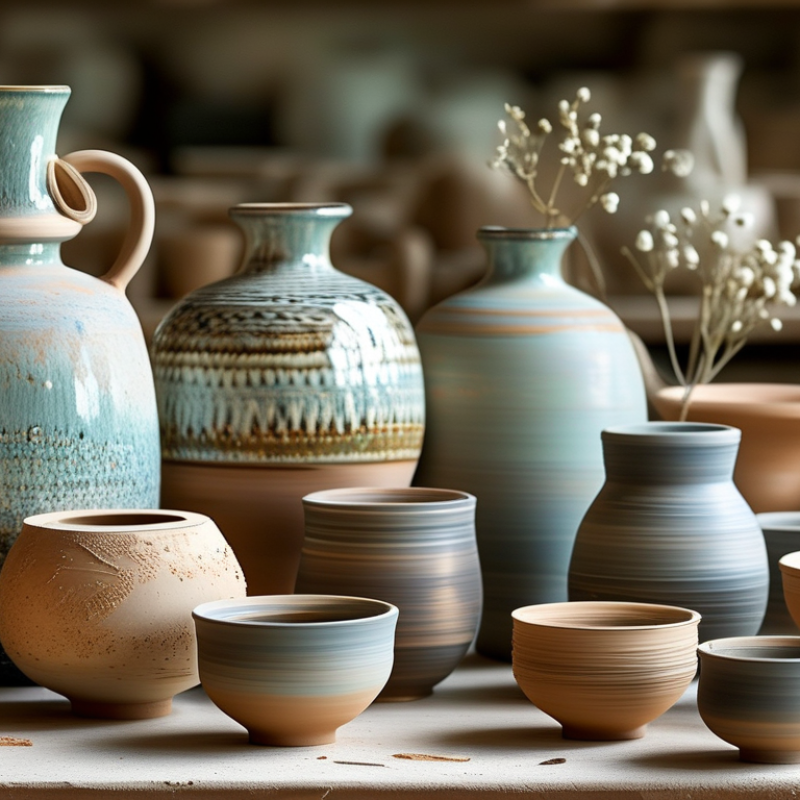
Handcrafted ceramic decor brings unique charm to home design. The intricate details and artistry in each piece elevate the aesthetic of any space. According to a recent survey by the Craft Industry Alliance, over 70% of homeowners prefer unique, handcrafted items over mass-produced goods. This desire for individuality drives the popularity of handcrafted ceramics.
These pieces often tell a story, connecting the owner to the artisan's culture and techniques. For instance, traditional glazing methods can transform simple ceramics into stunning art. The National Endowment for the Arts reports that 63% of adults appreciate art that reflects personal narratives. This statistic underscores the emotional value in handcrafted decor.
Moreover, ceramic materials are durable and timeless. Their natural properties promote sustainability, a growing concern among consumers. The American Institute of Architects states that 33% of homeowners prioritize sustainable materials. While handcrafted ceramics may come with a higher initial cost, their longevity offsets expenses over time. The imperfections in each piece add character and evoke a sense of authenticity and warmth, making them ideal for any home.
Handcrafted ceramic decor brings a unique aesthetic appeal to any home. Each piece showcases its own character and charm. The imperfections in handmade ceramics tell a story, making them captivating centerpieces. The variations in color and texture add depth to your decor. This individuality can transform ordinary spaces into expressive environments.
Incorporating handcrafted ceramics can be simple. Start by choosing a few statement pieces, like a large vase or unique bowl. Place them on a dining table or a shelf for a stunning focal point. Consider mixing various shapes and sizes for a more dynamic display. Handcrafted pieces often evoke a sense of warmth, inviting creativity into your home.
Including ceramics that reflect personal style ensures authenticity in design. Look for pieces that resonate with your taste and personality. Search for local artisans to support small businesses and find truly one-of-a-kind items. Connect with the artists if possible. Their insights can enhance your understanding of the ceramics’ history and significance. Handcrafted ceramics are more than decor; they are expressions of art and humanity.
Handcrafted ceramics have deep cultural roots. Many communities prize their pottery as a form of expression. Each piece tells a story, blending artistry with tradition. The methods passed down through generations create a connection to the past. These unique items can reflect the identity of a culture. They often incorporate symbols and techniques that have specific meanings.
Creating handcrafted ceramics is not just about aesthetics. It also requires skill and patience. Artisans pour their hearts into their work, making each item unique. Yet, there are challenges in maintaining these traditions. Modernization can threaten the survival of these age-old practices. Artists must balance tradition with contemporary demands. This struggle adds depth to each piece, inviting reflection on cultural heritage.
Buying handcrafted ceramics can also foster community support. It encourages the preservation of techniques and stories that define us. However, choosing these items means contemplating their origin. It raises questions about authenticity and sustainability. The value of handcrafted décor is not purely in decoration but in what it represents. Engaging with these items invites a rich dialogue about culture and identity.
This chart represents the cultural significance of handcrafted ceramics in art, showcasing various aspects such as craftsmanship, uniqueness, and cultural heritage. Each category highlights why handcrafted ceramics continue to be a cherished element in home decor.
Handcrafted ceramic decor items are known for their durability and longevity. Unlike mass-produced pieces, each ceramic item is unique. They are crafted with care, ensuring strength and resilience. The firing process at high temperatures makes them resistant to wear. This means they can withstand daily use without losing their charm.
Ceramics can handle heat and moisture well. They are less prone to chipping and cracking than other materials. This reliability makes them perfect for both indoor and outdoor settings. Even when exposed to harsh weather, quality ceramics can remain intact. However, care is still required to maintain their appearance.
Some may find imperfections in handcrafted pieces appealing. Each flaw adds character and tells a story. Over time, these imperfections deepen their beauty. This aspect encourages reflection on the artistry behind the work. The blend of strength and aesthetic creates a lasting connection to your home.
Handcrafted ceramics are more than just decor; they embody sustainability. The global ceramics market is projected to reach $400 billion by 2027, driven by eco-conscious consumers. High-quality ceramics often use locally sourced clay. This minimizes transportation emissions. Artisans prioritize natural glazes and ingredients. These choices ensure a lower environmental footprint compared to mass-produced goods.
A report by the Sustainable Ceramics Association indicates that handcrafted items can save up to 70% in energy during production compared to industrial counterparts. This efficiency arises from smaller kilns and less energy-hungry techniques. Additionally, craftspeople may emphasize recycling in their processes, transforming waste materials into new creations. This not only conserves resources but inspires creativity.
However, accessibility remains a challenge. Handcrafted ceramics can be more expensive, reflecting their labor-intensive production. This price point may deter some consumers. There’s also a risk of over-commercialization. As artisans gain popularity, maintaining traditional methods can become difficult. Balancing artistry with sustainability is crucial as we advocate for environmentally friendly choices in home decor.
: Handcrafted ceramic decor is unique due to its intricate details and artistic touch, elevating any space’s aesthetic.
Over 70% of homeowners favor unique, handcrafted items for their individuality compared to mass-produced goods.
Each piece tells a story, connecting the owner to the artisan's culture and techniques, enhancing emotional value.
Yes, handcrafted ceramics are durable and designed to withstand daily use while maintaining their charm.
Ceramics perform well against heat and moisture, making them suitable for indoor and outdoor settings.
Yes, imperfections add character and deepen beauty over time, encouraging reflection on the artistry behind each piece.
Handcrafted ceramics may have higher initial costs, but their longevity offsets expenses over time, providing value.
Sustainability matters, with 33% of homeowners prioritizing sustainable materials in their decor choices.
While durable, ceramics need care to maintain their appearance and prevent potential wear over time.
Yes, the flaws in handcrafted pieces create authenticity, evoking warmth and a personal connection to the home.
Handcrafted ceramic decor serves as a unique and valuable addition to any home, offering a blend of aesthetic appeal and cultural significance. The distinct designs of handmade ceramics bring an artistic touch that can elevate the overall ambiance of a space. Each piece tells a story, reflecting the heritage and craftsmanship behind it, which not only enriches your home’s decor but also connects you to a wider cultural narrative.
Moreover, the durability and longevity of ceramic items ensure that they withstand the test of time, making them a practical choice for home design. As consumers increasingly seek sustainable options, handcrafted ceramics are often produced through eco-friendly practices, promoting environmentally responsible living. This combination of beauty, durability, and sustainability highlights why handcrafted ceramic decor adds value to your home, making it a thoughtful and stylish choice for any interior.

Anzi Decor