What Makes Ceramic Ornaments Durable for Long Term Display

Time:2026-06-07 Author:Henry
0%

When considering what makes ceramic ornaments durable for long-term display, understanding the materials and craftsmanship is crucial. Industry expert Dr. Emily Hartman, a ceramic materials researcher, once stated, “The longevity of ceramic pieces lies in their composition and firing techniques.” This insight highlights the importance of quality in creating durable ornaments.

Ceramics can withstand time if made correctly. High-quality clay, proper glaze application, and correct firing temperatures all contribute to durability. The finished product can resist wear, fading, and environmental factors. Yet, not all ceramics are made equal. Some may appear beautiful but lack the necessary resilience for lasting display.

Choosing the right ceramic ornament often requires careful thought. Consumers should be aware of potential weaknesses. For instance, overly intricate designs may compromise strength. It's essential to weigh aesthetics against durability. Knowing what makes ceramic ornaments durable for long-term display can guide better purchasing decisions.
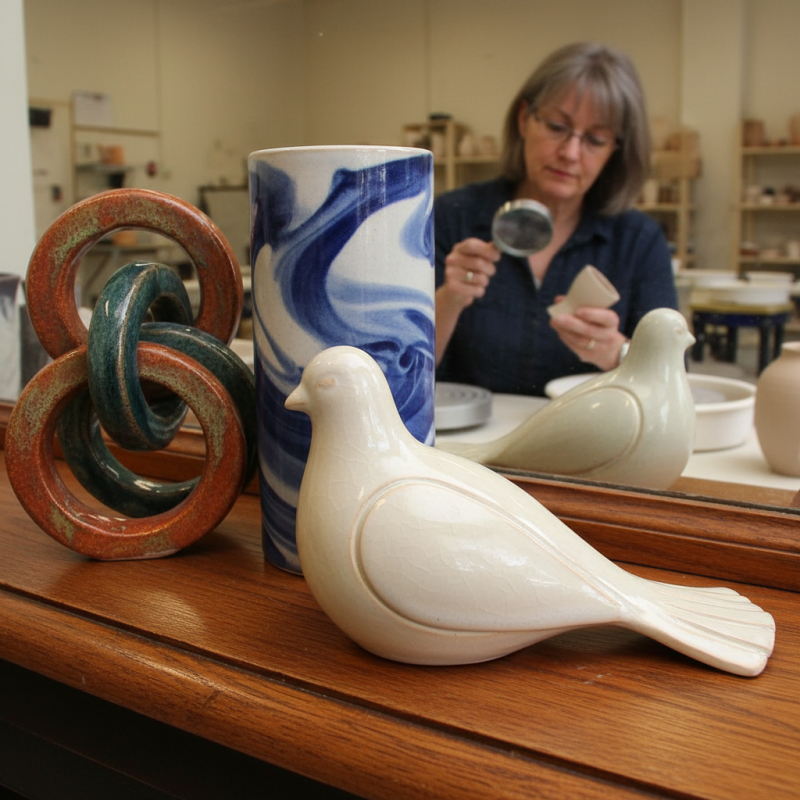
What Makes Ceramic Ornaments Durable for Long Term Display

Factors Affecting the Durability of Ceramic Ornaments in Long-term Use

Ceramic ornaments can last for years if made with care. Several factors contribute to their durability. The quality of the clay used is crucial. High-quality clay can withstand changes in temperature and moisture, preventing cracks over time. The firing process must be controlled, as higher temperatures can create stronger, more resilient pieces.

Another critical factor is the glaze. A well-applied glaze protects the ceramic from scratches and moisture. It adds a layer that enhances the appearance while shielding the ornament. However, flaws in glazing can lead to quicker degradation, so artisans need to focus on this step.

Environmental conditions impact durability as well. Exposure to direct sunlight can fade colors, while humidity can cause mold or deterioration. Regular cleaning and proper storage are essential for maintaining ceramic ornaments. Unfortunately, many people overlook basic care, which can shorten the lifespan of these beautiful pieces. Proper awareness and effort can significantly enhance the long-term display of ceramic ornaments.

Material Composition: The Role of Clay Types and Additives in Strength

Ceramic ornaments are known for their beauty and durability, thanks in part to the type of clay used. Different clays offer various characteristics. For instance, earthenware has a porous nature, making it less durable, while stoneware is denser and more robust. The choice of clay is essential for long-term display. It affects not only strength but also how well the ornament can withstand the elements.

Additives play a crucial role in enhancing ceramic strength. Saxophones, feldspar, and grog are commonly used to improve durability. Feldspar acts as a flux, lowering the melting point during firing. This creates a stronger bond between particles. Grog, on the other hand, adds texture and decreases shrinkage during drying. Each additive brings unique benefits, but they also come with trade-offs. Too much grog can make the surface rough, while insufficient feldspar might lead to weak spots.

A well-balanced material composition is vital for making ceramics last. Artists often experiment with blends, aiming to capture both beauty and durability. Their trials reveal that achieving the perfect formula isn't easy. The durability of an ornament relies on careful selection and mixing of materials. Even experienced ceramicists face challenges in achieving a flawless result. This exploration of materials shows the ongoing journey of innovation in ceramic art.

Durability of Ceramic Ornaments: Impact of Clay Types and Additives

Firing Processes: How Temperature and Time Influence Ceramic Resilience

Firing processes play a crucial role in determining the durability of ceramic ornaments. The temperature and duration of firing influence the final strength and resilience of the ceramic material. Research indicates that ceramics fired at higher temperatures, typically between 1,200 and 1,400 degrees Celsius, achieve superior mechanical properties. This elevated temperature causes better vitrification, which enhances strength and reduces porosity. In fact, studies show that ceramics fired at these high temperatures can withstand impacts that lower-fired pieces cannot.

Time is another significant factor in the firing process. Extended firing periods allow for better bonding of particles within the ceramic. Research suggests that a firing time of up to 12 hours can notably enhance the durability of ceramic products. However, excessive firing could lead to warping or surface imperfections. Many artisans face challenges in fine-tuning firing schedules to achieve optimal results. The balance between time and temperature is delicate. Achieving this balance is vital for producing ceramics that stand the test of time.

In summary, understanding the influences of firing processes is essential for creating durable ceramic ornaments. The interplay between temperature and time must be carefully managed. While industry standards provide guidance, artisans often rely on their experience and observation to adjust firing parameters. Each piece is unique, making this an ongoing learning process.

What Makes Ceramic Ornaments Durable for Long Term Display

Firing Temperature (°C) Firing Duration (Hours) Durability Rating (1-10) Common Usage
800 10 7 Garden Ornaments
1000 8 8 Indoor Décor
1200 12 9 Artistic Pieces
1350 6 10 Fine China
1500 4 10 Porcelain Items

Surface Treatments: Glazes and Coatings That Enhance Longevity of Ornaments

Surface treatments play a crucial role in enhancing the longevity of ceramic ornaments. Glazes and coatings create a protective layer that guards against moisture, dirt, and UV exposure. These factors can lead to degradation over time. A well-applied glaze not only improves appearance but also seals the porous material beneath, reducing the risk of chipping and cracking.

While traditional glazes are popular, modern coatings offer even better protection. Some coatings contain UV filters. These filters can prevent colors from fading, especially in bright environments. Reflecting on this, it's important to choose appropriate treatments based on the intended display area. Not every finishing technique works for every piece.

Although glazes can enhance durability, imperfections can still arise. Overheating during firing may lead to uneven surfaces. This can result in weak points that might chip or crack. Careful consideration of firing temperatures is essential to avoid such issues. The pursuit of durable ceramic ornaments often requires experimentation and learning from past mistakes.

Environmental Resistance: Impact of Humidity and Temperature on Durability

Humidity and temperature play crucial roles in the durability of ceramic ornaments. High humidity can lead to moisture absorption, which weakens the structure of ceramics over time. When ceramic absorbs water, it can crack or develop unsightly blemishes. In contrast, low humidity can cause ceramics to dry out and become brittle. Extreme temperature fluctuations also contribute to stress, causing expansion and contraction in the material. Such stress can result in fractures.

Ceramic ornaments often look beautiful, but exposure to harsh environmental conditions can compromise their charm. Protecting these pieces from humidity and temperature extremes is vital for their long-term display. It is essential to keep them in a stable environment. Rooms with consistent temperature and moderate humidity levels allow ceramics to maintain their integrity. Decorative cases can also provide an extra layer of protection.

Reflecting on this, hobbyists might overlook the importance of climate control. Many display their collections without considering the impact of their environment. It’s a crucial aspect that affects the longevity of their beautiful pieces. Paying attention to these details can enhance the appreciation of ceramic art. Regularly check your ceramics for signs of wear and adjust their environment as necessary. This mindfulness allows collectors to enjoy their ornaments for years.

FAQS

: What types of clay are used in ceramics?

: Different clays, like earthenware and stoneware, offer various characteristics. Earthenware is less durable due to its porous nature.

How do additives enhance ceramic strength?

Additives like feldspar and grog improve durability. Feldspar lowers melting points, while grog adds texture and reduces shrinkage.

What is the importance of balance in material composition?

A well-balanced composition is essential for durability. Artists often experiment to find the perfect mix of materials.

How does firing temperature affect ceramics?

Higher firing temperatures between 1,200 and 1,400 degrees Celsius enhance strength. This process leads to better vitrification.

How does firing time influence ceramic resilience?

Longer firing periods, up to 12 hours, improve particle bonding, enhancing durability. However, excessive time can cause imperfections.

What environmental factors impact ceramic durability?

Humidity and temperature are critical. High humidity can cause cracking, while low humidity may lead to brittleness.

How can collectors protect their ceramics?

Keeping ceramics in a stable environment is vital. Moderate humidity and consistent temperature prevent damage and maintain integrity.

Why should hobbyists consider climate control?

Many overlook how their environment affects ceramics. Regular checks for wear and adjusting conditions prolong the life of ornamental pieces.

What challenges do artisans face during the firing process?

Fine-tuning firing schedules is challenging. Balancing time and temperature is essential but requires experience.

What reflections can be made about ceramic care?

Many collectors may not realize environmental impacts. Mindful display enhances appreciation and preserves the beauty of their ceramics.

Conclusion

The durability of ceramic ornaments for long-term display hinges on several key factors that collectively enhance their resilience over time. Firstly, the material composition, including the types of clay used and the presence of specific additives, plays a crucial role in determining the strength of the ornaments. Additionally, the firing processes, specifically the temperature and duration of firing, significantly impact the final robustness of ceramic items.

Another vital aspect is the application of surface treatments, such as glazes and protective coatings, which not only add aesthetic appeal but also enhance the longevity of the ornaments. Finally, environmental factors like humidity and temperature can affect the durability of ceramic pieces, underscoring the importance of proper storage and display conditions. Understanding these elements answers the question of what makes ceramic ornaments durable for long-term display, ensuring they can be enjoyed for many years.

Henry

Henry

Henry is a dedicated marketing professional with a profound expertise in the company's offerings. With years of experience in the industry, he possesses an impressive understanding of the market dynamics and consumer behaviors that drive success. Henry is committed to sharing his insights through......